Disclaimer: This page is an independent educational resource and is not affiliated with or operated by any official organization or service.
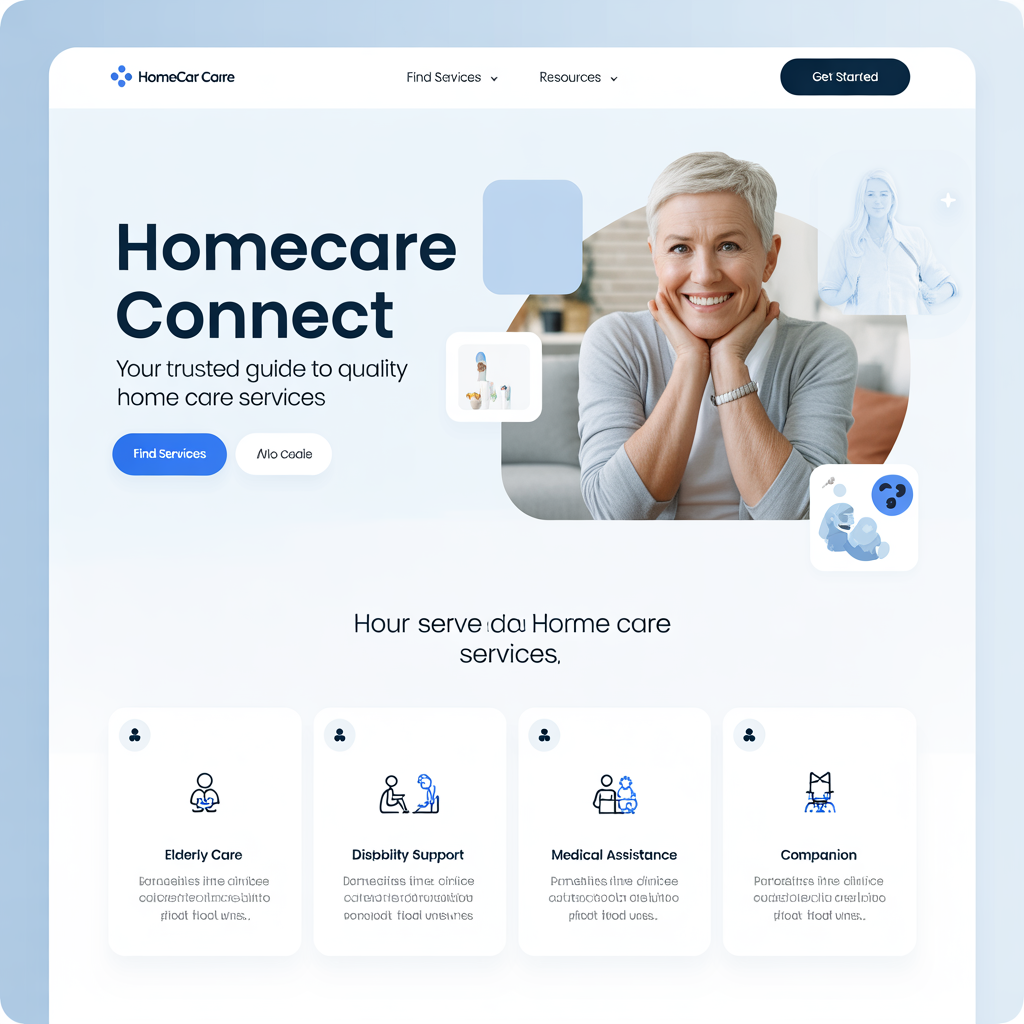
An information platform for home care and support services can be understood as a structured environment where various types of care-related data are organized for exploration and comparison. Within this context, mable is often referenced as an example of how such platforms present independent care options, care resources, and care alternatives in a centralized format. The focus of this page is to examine the conceptual structure underlying these platforms and how information is arranged for clarity and accessibility.
Core framework of mable in information environments
The structural model associated with mable typically reflects a layered approach to organizing service-related information. Rather than functioning as an operational system, the platform concept emphasizes categorization and presentation.
Key structural layers include:
- Data aggregation from multiple independent care providers
- Classification of care solutions based on type and context
- Segmentation of support categories such as daily assistance or lifestyle support
- Presentation interfaces designed for browsing and comparison
This framework supports a consistent informational flow, where users can interpret available care options without interacting with transactional systems.
Information architecture and mable categorization logic
Within mable-related structures, information architecture plays a central role in defining how content is grouped and accessed. Categories are typically arranged to reflect real-world distinctions in independent care and support services.
Common classification patterns include:
- Type-based grouping (e.g., personal support, household assistance)
- Context-based grouping (e.g., short-term vs long-term support)
- Resource-based grouping (e.g., guides, directories, informational listings)
Such organization ensures that care resources are not presented as isolated entries but as part of a broader ecosystem of care alternatives.
Supporting elements: care resources and independent care
In addition to primary service categories, platforms aligned with mable often include supporting informational elements that enhance understanding of available options.
These elements may include:
- Descriptive summaries of care solutions
- Comparative overviews of independent care formats
- Contextual explanations of lifestyle support scenarios
- Non-operational directories of available services
The purpose of these components is to provide informational depth without implying direct service provision or control.
Structural consistency and scalability
A key characteristic of platforms associated with mable is the ability to scale information while maintaining consistency. As additional care providers or categories are introduced, the underlying structure remains stable.
This is typically achieved through:
- Standardized category definitions
- Uniform labeling systems
- Reusable content modules
- Consistent navigation patterns
Such consistency supports long-term usability and ensures that expanding datasets do not compromise clarity.
Summary of conceptual structure
The conceptual model illustrated by mable reflects a structured, non-operational approach to presenting home care and support services information. Through layered architecture, clear categorization, and supporting informational elements, such platforms enable systematic exploration of care solutions, independent care formats, and related resources. The emphasis remains on organization and clarity rather than interaction or service execution.