Disclaimer: This page is an independent educational resource and is not affiliated with or operated by any official organization or service.
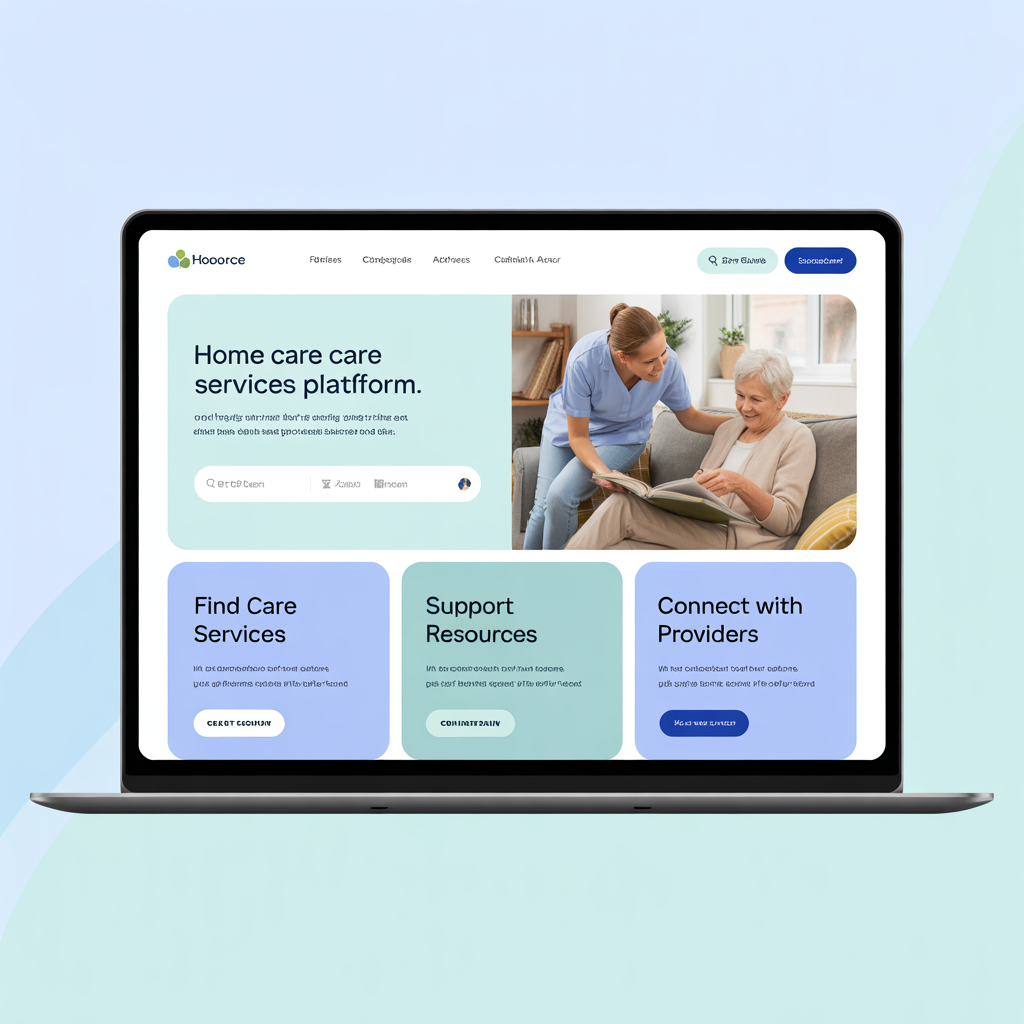
Information platforms dedicated to home care and support services are often interpreted through various contextual models. In this framework, mable represents a reference for understanding how care solutions, care resources, and independent care formats are presented and interpreted across different informational scenarios. This article explores the broader contexts in which such platforms are used and understood.
mable in informational interpretation contexts
Platforms associated with mable are typically interpreted as structured repositories of information rather than operational systems. Their primary role is to present data in a way that supports comparison and understanding.
Interpretative contexts include:
- Educational exploration of care alternatives
- Comparative analysis of independent care formats
- Review of available care resources across categories
These contexts emphasize informational clarity over interaction.
Analytical models for understanding care solutions
Different analytical models can be applied to interpret how care solutions are presented within such platforms.
Common models include:
- Comparative models focusing on differences between care alternatives
- Structural models analyzing category organization
- Contextual models examining how lifestyle support fits within broader systems
These models provide multiple perspectives on the same dataset.
Role of independent care in interpretative frameworks
Independent care is a central concept in platforms related to mable. It is often presented as a distinct category that interacts with other support types.
Key interpretative aspects:
- Flexibility of independent care arrangements
- Relationship between independent care and structured support systems
- Position of independent care within broader care alternatives
These aspects contribute to a nuanced understanding of the subject.
Contextual variability and platform neutrality
An important characteristic of mable-type platforms is their neutral presentation of information. Content is typically structured to avoid prioritizing specific categories or interpretations.
This neutrality is maintained through:
- Balanced representation of care solutions
- Equal visibility of different care alternatives
- Standardized descriptions across categories
Such an approach supports objective interpretation.
Summary of interpretative models
The interpretative frameworks associated with mable highlight the role of information platforms as structured environments for understanding home care and support services. Through analytical models, contextual perspectives, and neutral presentation, these platforms enable comprehensive exploration of care resources and alternatives without operational involvement.